Leading Through Change
The increase in feed prices, diseases and irregular customer demands affect poultry business more than other types of business enterprises because every player within the poultry value chain bears the brunt of these challenges. Resilience is no longer a form of defense that businesses choose to adopt in times of trouble, but rather the core business practice by which every actor within the chain is able to continue doing its job in uncertain times.
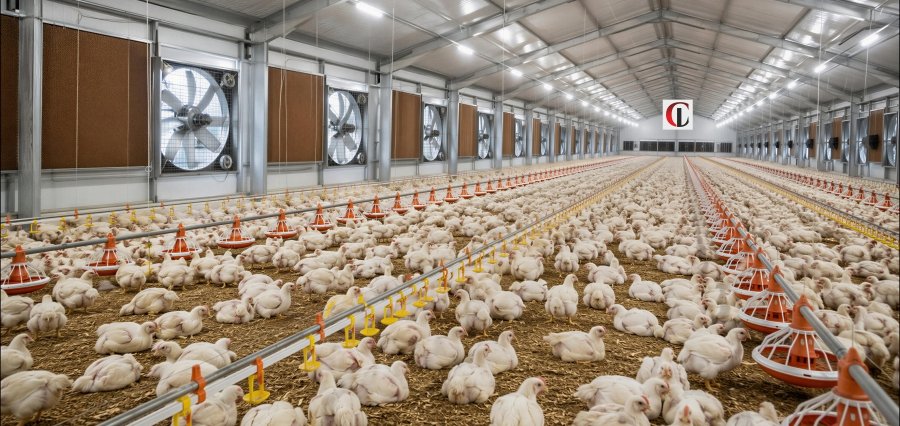
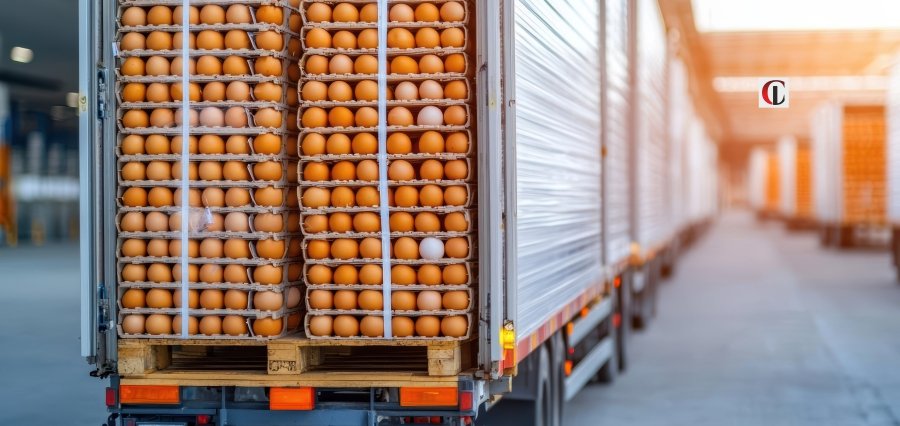
Resilience in a poultry value chain involves a total of six steps, namely: breeding/hatcheries, feed milling, farming, processing, distribution and retailing. These steps depend on one another in a sequence so that a disruption in any of them means trouble for the entire chain. Businesses that have multiple sources for their supplies, diversify their suppliers and establish disease surveillance systems will not only help themselves but will strengthen the entire chain.
Turning Investment into Resilience
Some interventions prove that through targeted investments, resilience becomes concrete and quantifiable through outputs. An intervention in Ghana is called the Poultry Intensification Scheme. The possibility of implementing this scheme comes from the availability of $12 million invested by the World Bank in its West Africa Food Systems Resilience Programme. With this scheme, the commercial farmers receive improved day-old chicks, vaccination services and grant matching which help them improve their processing technology and ensure better biosecurity. This intervention will enable the reduction in the dependence on imported chicken meat products, increasing production, and creating jobs within the poultry value chain.
There is another intervention which costs $12.5 million and aims at helping eighteen commercial anchor farmers and out-growers produce, process and sell around two million broiler birds each year for three years. This proves the possibility of achieving resilience through joint efforts of the public funds and private sector implementation.
Biosecurity as the First Line of Defence
Biosecurity is now central to this process of building resilience. The threat of highly pathogenic avian influenza has compelled authorities and producers to develop containment measures collaboratively, rather than through directives issued top down.
In Ghana, for instance, the FAO organized a workshop of farmers, traders, veterinarians and government authorities who developed region-specific biosecurity guidelines for the poultry industry, which shows that risk management requires participation of all stakeholders at all stages in its development. Digital record keeping, disease reporting systems, and stricter access to farms are moving from pilot projects to everyday reality in many production regions.
Strengthening Access to Finance
Access to finances is still the other leg supporting the resilience of a poultry supply chain. Small farmers without access to cheap credit will not be able to invest in good housing, quality feed or pay for losses incurred from a disease outbreak and therefore will drop out at the slightest shock.
Blended financing involving grants and commercial credit provides farmers with space to modernize without being burdened with debts. Match grant systems that incentivize farmers through grants contingent on achieving certain production and biosecurity criteria go even further in creating resilience.
Policy That Enables Long-Term Stability
The success of any of these strategies lies in how they are designed. Countries that make it easier to import products, subsidize vaccines, and monitor diseases across borders will provide private businesses with an environment in which they can operate with the resilience needed.
In countries where there is poor policy-making, individual firms can develop good practices, but the sector as a whole cannot withstand the impact of system-wide shocks like currency devaluation and an epidemic of diseases in the region.
Responding to Changing Consumer Expectations
Consumer demand adds a third component of pressure that is hard to overlook. Today, consumers require products that are traceable and produced in a safe manner, and businesses that document such supply chain information find themselves ahead of the competition, should an event take down other firms that do not have such documentation.
Diversification among suppliers for retailers through multiple regions is a means of ensuring that the shelves are not empty following one point of failure.
Building a Future-Ready Poultry Value Chain
In the end, resiliency will be what separates the winners from the losers after the next shock comes. Those companies that view biosecurity, access to finance and diversified supply chains as strategic priorities rather than disaster plans will be well prepared for any volatility.
Moving forward with the continued challenges of climate change, disease and changing trade policies facing producers around the world, those companies that develop flexible business models early will be instrumental in shaping the future of the poultry value chain.